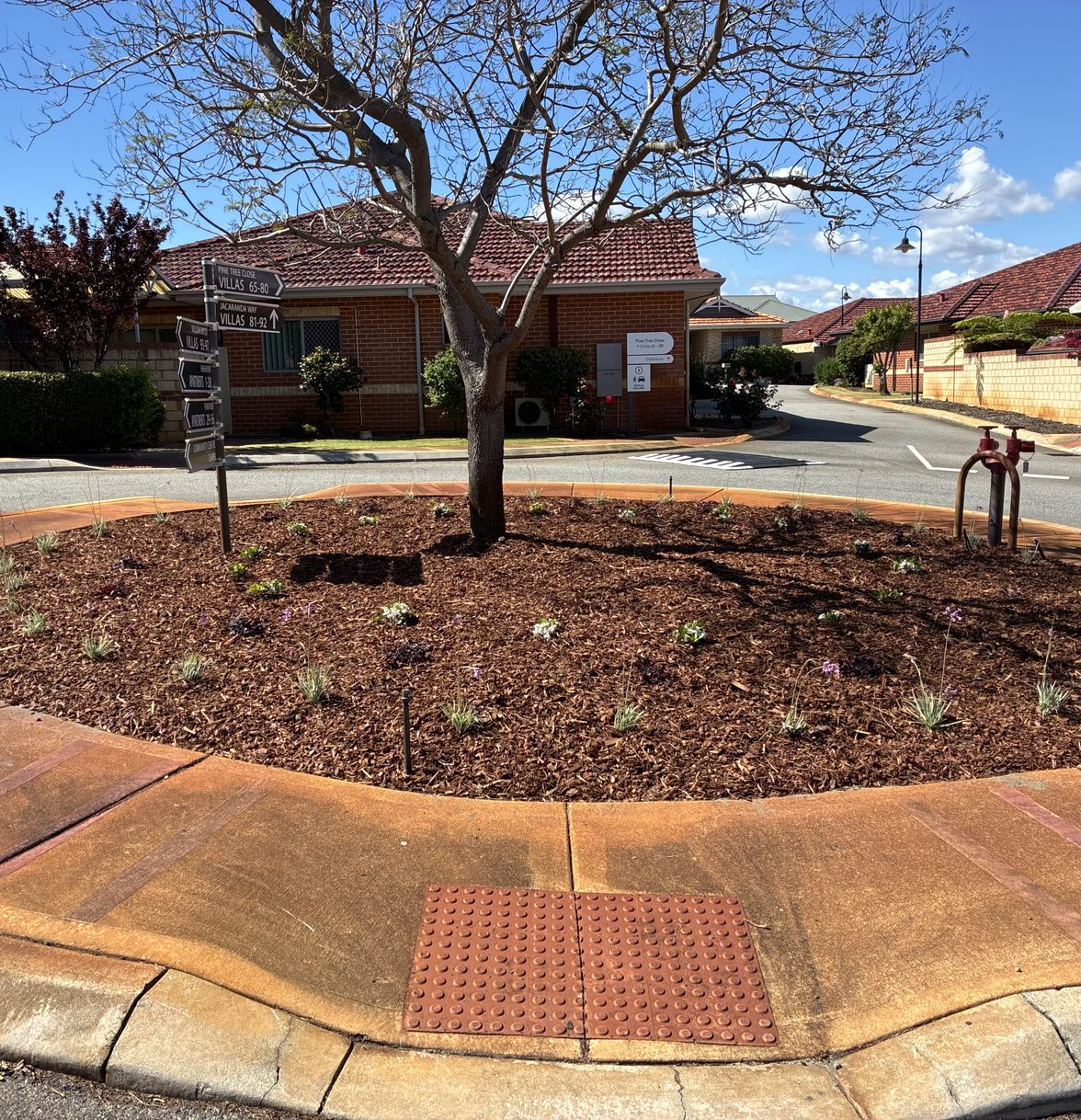
Working from a landscape architect's plan, what changes on site
A plan drawn in an office meets soil, services and access once work starts. Most changes are small. Agreeing early on how to handle them keeps the build moving.
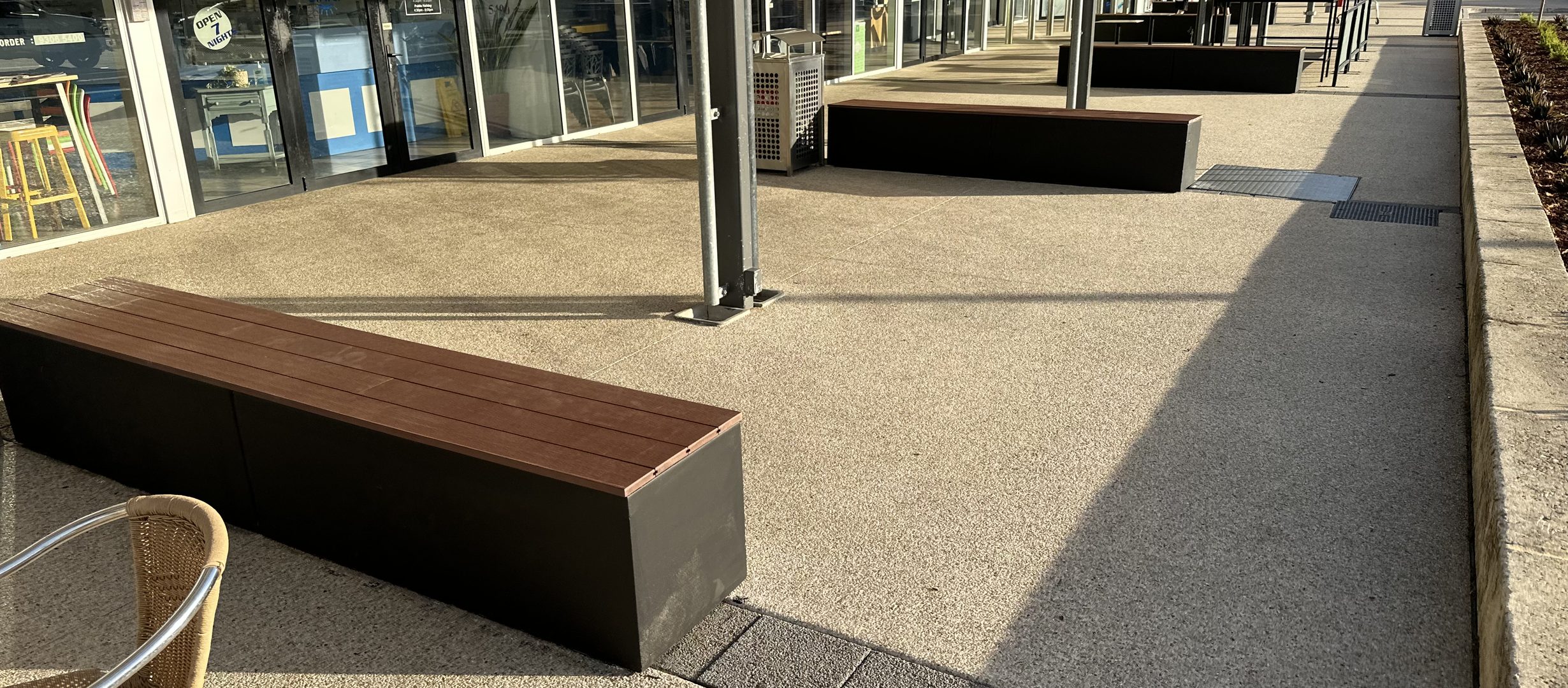
Working from a plan, what changes on site
A landscape plan is a good plan. It sets levels, species, spacing and materials, and it holds the design intent that the client signed off. Then the excavator opens the ground and finds limestone where the plan shows sand. Almost every job has a version of that moment. How it gets handled decides whether the build stays on program.
The three things that usually shift
Soil, services and access account for most changes. Soil determines what can be planted and how deep. Services sit under the ground and cannot be moved to suit a bed line. Access decides what machinery can reach each part of the site, and that shapes the order of work more than most plans allow for.
- Soil type, depth and drainage in the planted areas.
- Underground services running through the works area.
- Vehicle and machinery access to each part of the site.
- Existing trees and their root zones.
Most changes are small. A bed edge moves half a metre. Two shrubs swap position around a service run. A tree shifts a metre to clear a footing. None of that alters the design intent, and stopping the crew for a formal answer on each one costs more than it saves. Agree up front which changes a crew can make on the spot.
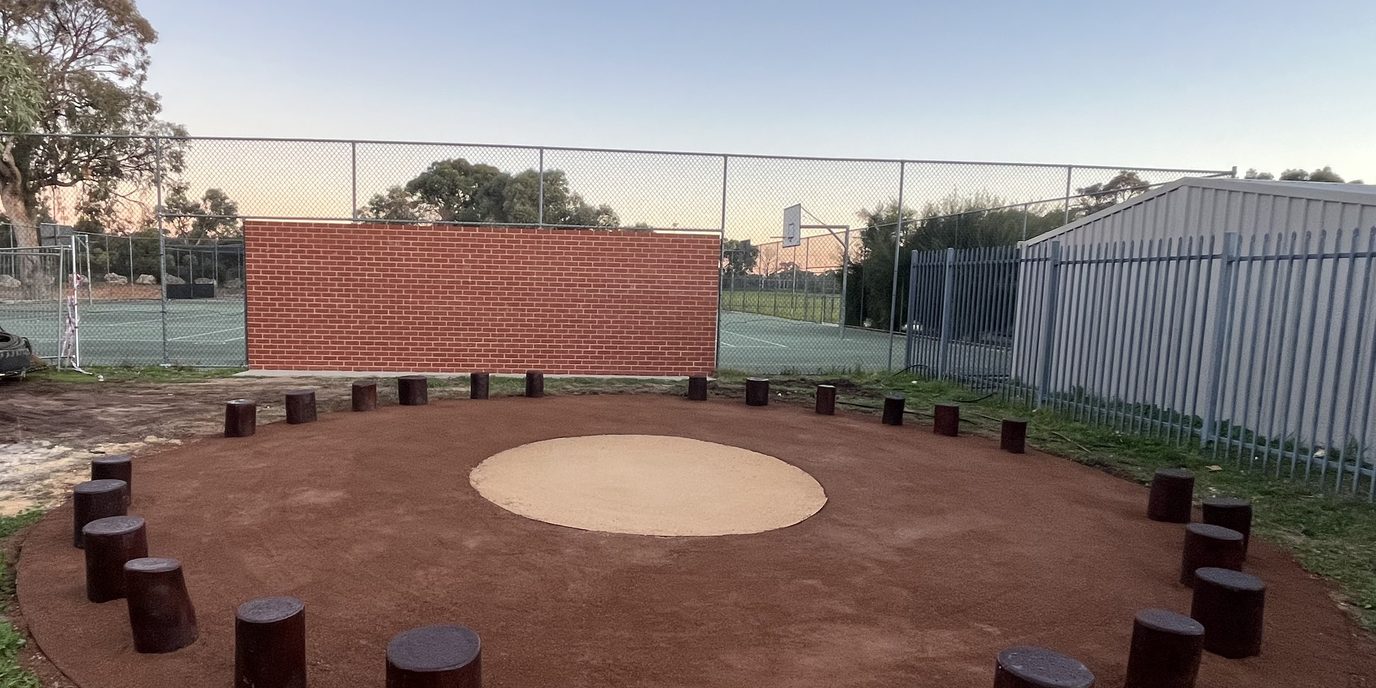
The changes worth a conversation are different. Substituting a species, changing a level, altering a hard surface or moving a feature tree all touch the design. Those go back to the designer. Set a way to ask that does not need a site meeting each time, because the answer is often needed the same day.
Plant availability
Specified species are not always available at the size the plan calls for, especially on larger orders. Check availability early, well before the planting date. A substitution chosen calmly in advance beats one chosen on the morning the stock arrives short.
“Agree before the job starts which changes the crew can make on site and which ones go back to the designer.”
Photographs help more than descriptions. A few images of the actual conditions let a designer make a call quickly. That matters most on sites where the designer is not local, or where the works run across several stages over several months.
Recording what was actually built
The finished site rarely matches the plan exactly. Mark up the changes as they happen rather than trying to remember them at handover. Whoever maintains the site afterwards needs to know what is planted where, especially if warranty replacements come up in the first year.
- Mark up plan changes as the work happens.
- Note species substitutions and where they went.
- Record service locations found during excavation.
- Hand the marked up plan to the maintenance team.
Staging on an operating site
Aged care sites, schools and childcare centres keep running while the work happens. Stage the build so paths stay usable and noisy work sits in agreed windows. Our crews work between 07:00 and 17:00, which usually gives enough room to plan around site activity.
Handing over to maintenance
New planting needs different care to an established garden for the first year. Watering, mulch top ups and weed control all run at a higher rate. Set that out at handover so the maintenance budget matches the work. Use the contact form to talk through a build from your designer’s plan.

Leads mowing, hedge trimming and weed control crews on aged care, childcare and council sites.