Choosing between hand weeding and chemical application on a public site
Some public sites suit chemical application. Others need hand weeding because of foot traffic, young children or planted garden beds. Here is how a crew decides.
Hand weeding or chemical application on a public site
Both methods work. The question is which one suits each area of the site. A car park verge and a childcare garden bed sit at opposite ends of that decision. Most sites end up using both, split area by area, with the split written down so every crew treats the same ground the same way each visit.
What decides the method
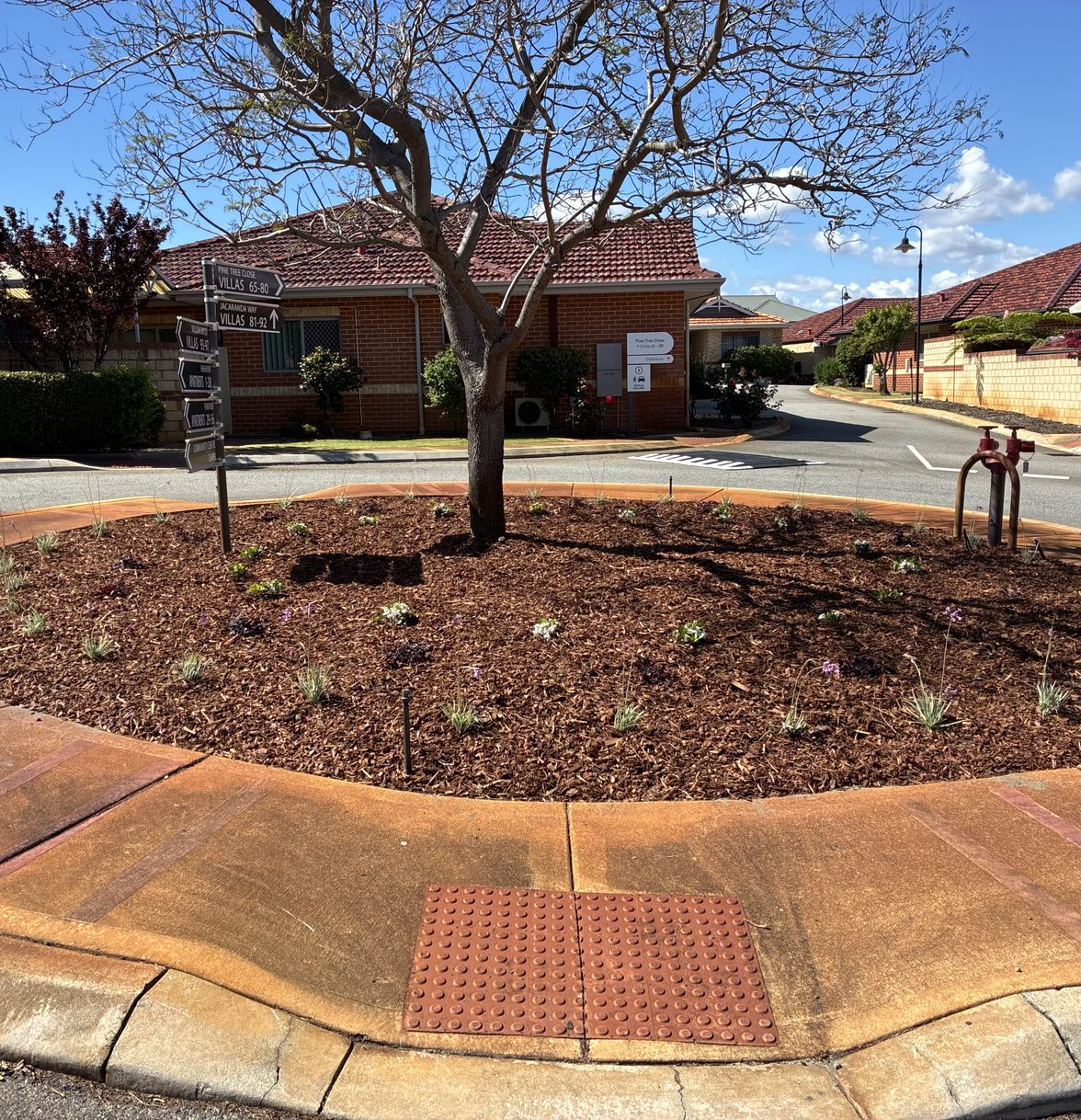
Three things drive the call. Who uses the area and when. What is planted in it. How much weed there is to remove. A fence line with a solid mat of weed suits chemical application. A garden bed with young shrubs and a few weeds between them suits hands and a bucket.
- Public use, especially by children or pets.
- Desirable plants growing in among the weeds.
- The size of the area and the weed load in it.
- Weather, wind and how soon the area is needed.
Hand weeding costs more crew time per square metre. It also removes the root on many species, so the same weed does not return in a fortnight. In a mulched garden bed with reasonable coverage, hand weeding two or three times a year often beats spraying more often. The bed also looks finished as soon as the crew leaves.

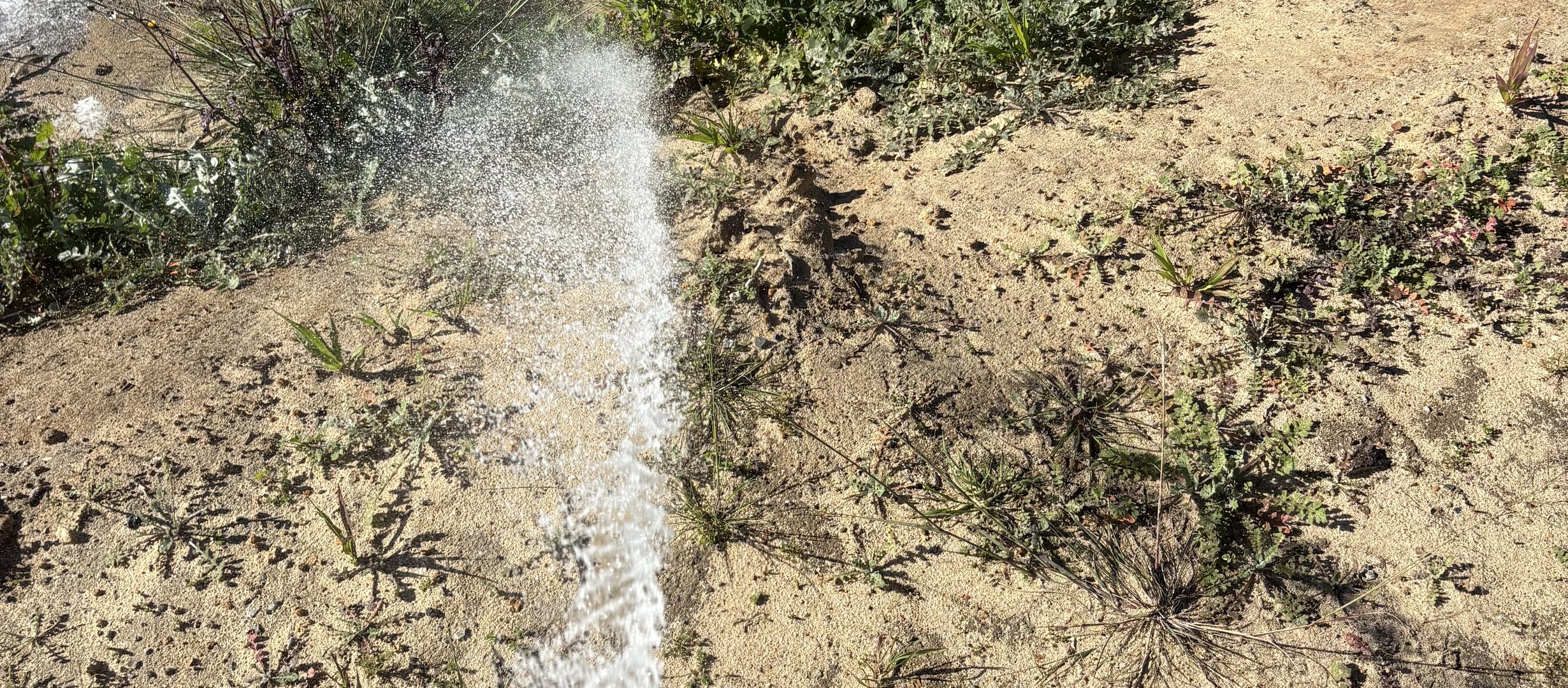
Chemical application covers ground quickly. On kerb lines, fence lines, car parks and large open areas it is the only sensible option. The trade off is timing. The area needs to stay clear while the crew works and for a period afterwards, and the dead growth stays visible for a week or two before it breaks down.
Areas that usually rule out spraying
Play areas, sandpits and the ground children sit on are hand weeded. So are beds planted with young tube stock, where spray drift would take out the plants you paid for. Edges of water features and drains often get the same treatment for the same reason.
“Write the method against each area on the site plan. Then any crew that arrives treats that ground the same way.”
Wind decides a lot on the day. A crew that arrives to a strong easterly may switch to another task and come back for spraying later in the week. Build that flexibility into the schedule. A fixed spray date that cannot move leads to work done in poor conditions.
Getting the timing right
Weeds are easiest to remove when they are small and the soil is damp. In Perth that means the weeks after the first solid winter rain. Leave it until the plants set seed and the job doubles, because you deal with next year as well. Book weed control early in the season rather than as a reaction.
- Treat weeds while they are small and the soil is damp.
- Get in before seed heads form and spread.
- Allow for wind and reschedule rather than push through.
- Follow up four to six weeks later on heavy areas.
Notice and signage
Councils and facilities usually need notice before chemical application in a public area. Agree how much notice and who tells building users. That is easier to organise when spraying dates sit in the schedule rather than being called at short notice.
Keeping a record
Note what was treated, where and when. Over a season the record shows which areas keep coming back and need a different approach, such as mulch or a planting change. It also answers questions from the public without guesswork. Use the contact form to talk through a weed control plan for your site.

Plans crew schedules across Perth sites and keeps every grounds maintenance job running to time.